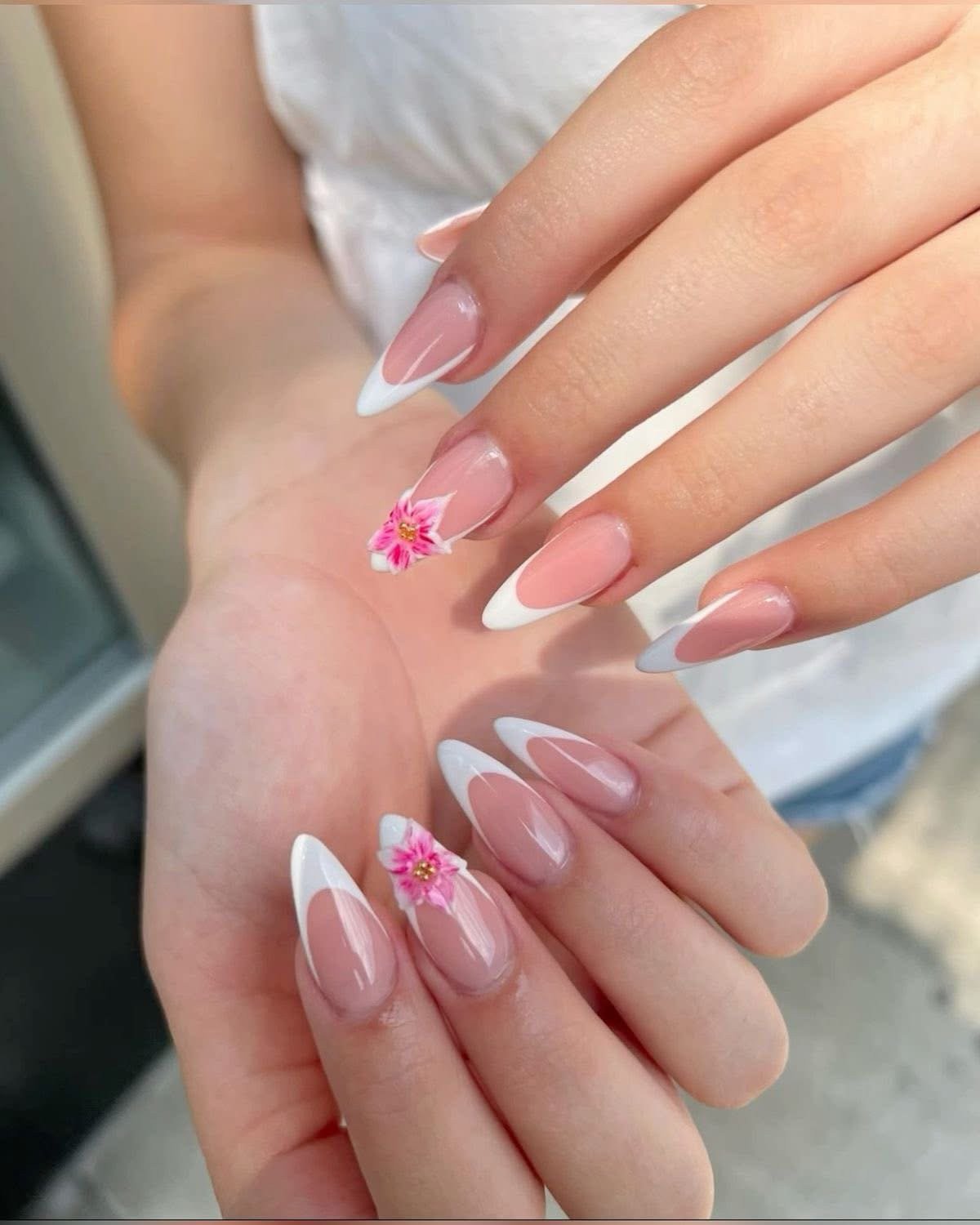
The florist gets booked nine months out. The photographer, a year. The venue, sometimes two. And the nails — the one element that will appear in every ring photo, every champagne toast, every hand-on-shoulder portrait — get scheduled the week before.
This is a planning failure that costs brides exactly one thing: the version of their nails that could have been perfect instead of merely acceptable.
Why Nails Are a Three-Month Commitment
A wedding manicure is not a single appointment. It is a sequence of decisions that compound.
The first decision is structural. What shape suits both the ring and the hand? An oval solitaire on a narrow finger reads differently against an almond-shaped nail than against a square one. A pear-cut diamond has a visual axis that either aligns with or fights the nail's silhouette. These are not details that reveal themselves in a Pinterest save. They reveal themselves when a skilled nail artist places the hand under light and studies the geometry.
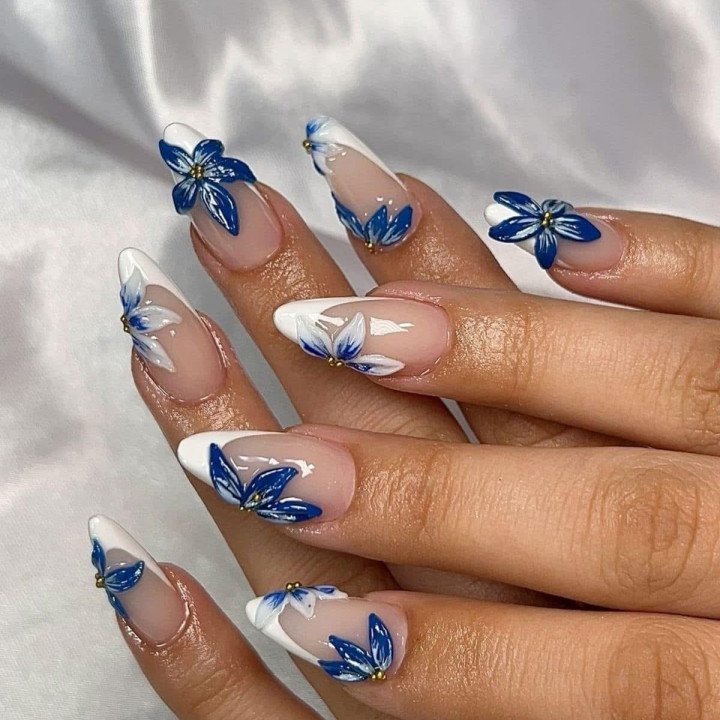
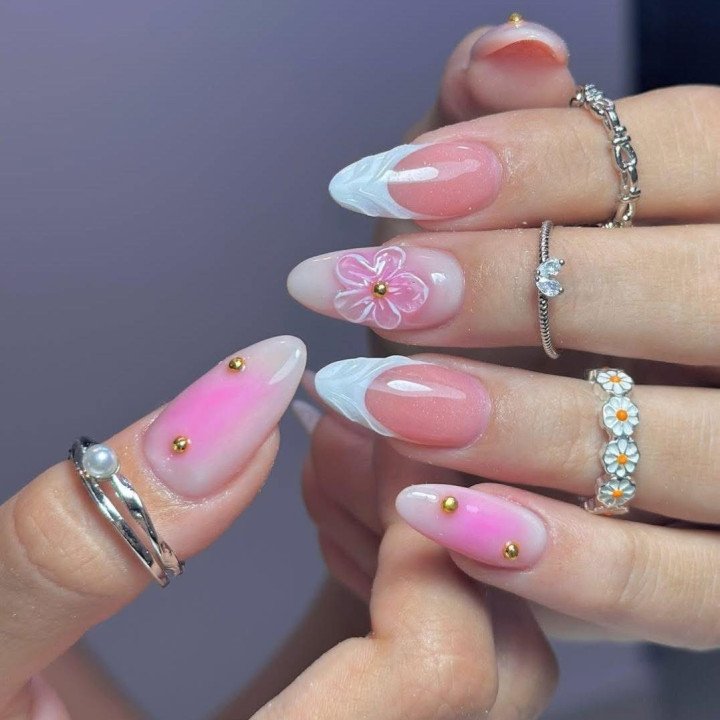
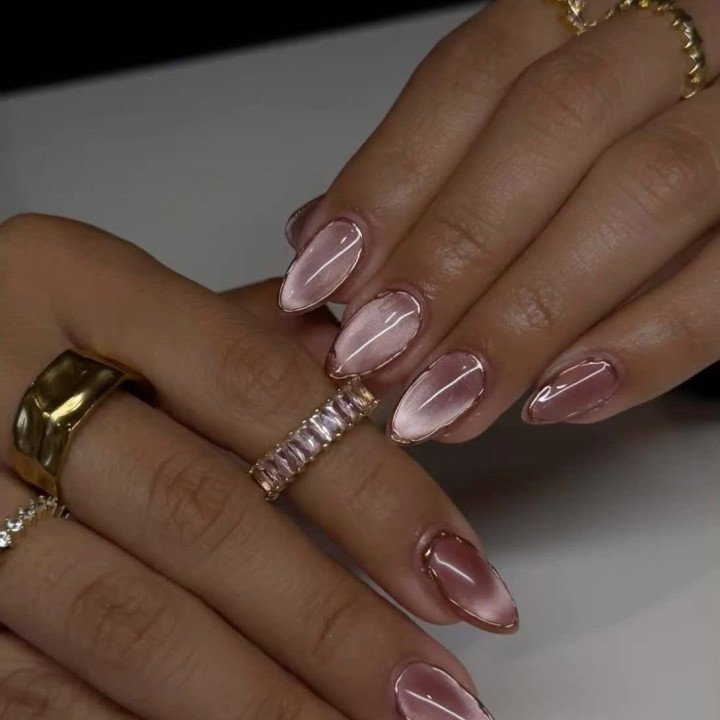
The second decision is finish. Bridal nails in 2026 have moved past the binary of classic French versus trendy chrome. The most requested finishes at Le Salon Doré this season are what Tiffany calls "quiet brilliance" — soft glazed finishes, micro-shimmer gels, and velvet chromes that photograph as luminous rather than metallic. They catch light in portraits without competing with the dress.
The third decision is durability architecture. A wedding day is sixteen hours of hand use — greeting, holding, gesturing, dancing, gripping a bouquet, washing hands between courses. The gel system, base coat chemistry, and curing protocol must be selected for endurance, not just aesthetics. Our bridal gel builds use a flexible base that absorbs micro-impacts rather than chipping at the stress points.
These three decisions need time. Not because any single one is complex, but because they interact. Change the shape, and the finish reads differently. Change the finish, and the durability protocol may shift. This is why we schedule a design consultation eight to twelve weeks before the wedding and a trial run four to six weeks out.
The Trial Run Is Non-Negotiable
Every bride who has skipped the trial has the same story: something was slightly off on the day, and they noticed it in every photo afterward.
The trial serves three purposes. First, it tests the design in real light — indoor, outdoor, flash photography, candlelight. What looks perfect under salon LEDs can wash out in direct sun or turn yellow under incandescent reception lighting. Second, it tests longevity. The bride wears the trial design for a full week and reports back: any lifting at the edges? Chips? Dulling? Third, it tests the emotional response. There is a difference between liking how nails look on a screen and loving how they feel on your own hand for seven days.
The trial appointment at Le Salon Doré runs ninety minutes. The first thirty are conversation — ring photos, dress fabric swatches if available, venue lighting reference images, and a discussion of the bride's natural nail condition. The remaining hour is execution. The design is documented — formula codes, cure times, layer counts — so it can be replicated exactly on the wedding day.
The Bridal Party Equation
A bridal party of six needs coordination, not uniformity. The instinct to put everyone in matching French tips is understandable but dated. The more sophisticated approach: a shared palette with individual expression.
For a spring or summer wedding, this might mean a family of soft roses — the bride in the palest iteration with a micro-shimmer accent, the maid of honor one shade deeper, bridesmaids in complementary tones that harmonize without matching. The nails should look intentional in group photos without looking like a uniform.
Logistically, a party of six requires block scheduling. At Le Salon Doré, we reserve consecutive slots on the morning before the wedding or the evening before for destination weddings. Each appointment runs forty-five minutes for standard bridal party nails, seventy-five for anyone wanting custom art or accent details.
The Peninsula Wedding Landscape
Palo Alto sits at the center of the Peninsula's most sought-after wedding corridor. Gamble Garden ceremonies that end at the boundary where English cottage garden meets California light. Rosewood Sand Hill receptions where the terrace overlooks the foothills. Thomas Fogarty Winery in the Santa Cruz Mountains where the fog rolls in during the toasts.
Each venue has a light signature that influences nail design. The warm amber of a garden ceremony at golden hour forgives bold color choices but can flatten delicate pastels. The cool interior light of a hotel ballroom rewards shimmer and chrome finishes that create their own luminosity. The mixed indoor-outdoor flow of a winery reception demands a finish that transitions gracefully between environments.
Tiffany has done bridal nails for events at every major Peninsula venue. That institutional knowledge — knowing that Filoli's interior rooms skew cool, that the Quadrus conference center has surprisingly warm overhead lighting, that garden ceremonies at Elizabeth Gamble Garden face west — informs every design consultation.
The Ring Photo Problem
The ring photo is the single most shared image from any wedding. It appears on Instagram, in the album, on the mantel, in the save-the-date for friends who are next. The nails in that photo will be seen more often than the dress.
The common mistakes: nails that are too glossy and create a white-out reflection that obscures the ring. Nails that are too matte and look flat next to a brilliant-cut diamond. Nails with art or detail that competes with the ring for visual attention.
The solution is a finish calibrated to complement, not compete. For brilliant-cut diamonds, a satin or velvet finish provides warmth without matching the stone's reflectivity. For emerald or asscher cuts, a barely-there chrome adds just enough life to echo the stone's architectural precision. For colored gemstones, the nail color should exist in the same temperature family — warm stones with warm nails, cool stones with cool nails — without attempting to match.
This level of specificity is why the consultation exists. It is also why brides who treat nail design as an afterthought end up retaking the ring photo.
The Timeline
Three months out: Design consultation. Discuss shape, finish, palette, ring compatibility, venue light.
Six weeks out: Trial run. Full execution of wedding day design. Wear for one week. Report back.
Four weeks out: Adjustment appointment if needed. Refine based on trial feedback.
Two days before: Wedding day appointment. Exact replication of approved design. Fresh gel at peak luminosity.
Day of: Touch-up kit provided — cuticle oil, a matching polish pen for any edge emergencies, and a microfiber cloth for pre-photo buffing.
The women who follow this timeline do not think about their nails on their wedding day. They are simply right. And in every photo, for every year afterward, they remain right.
Reserve your bridal consultation at Le Salon Doré — 530 University Ave, Suite A, Palo Alto.